
Hay legados culturales cuya conservación implica retos monumentales, no necesariamente asociados a un coste monetario, sino a su adecuada comprensión y vindicación. En este sentido, en Cuba se han realizado grandes contribuciones en la valoración de grupos de bienes en serie, como los teatros neoclásicos o las fábricas de tabaco, etc., cuya apreciación como conjunto posibilita el entendimiento de elementos comunes que los definen y otros que distinguen características excepcionales.
Asimismo, se ha avanzado en la visión del patrimonio inmaterial, cuyo objeto apunta a la interpretación de costumbres y tradiciones; y del patrimonio industrial, que requiere el enlace de muy variados elementos como fábricas, máquinas, tecnología, saberes, patentes, asociaciones, redes de transporte y comercio, etc. para un entendimiento cabal de su trascendencia y facilitar una mejor gestión patrimonial de todos sus elementos.
Una mirada más inclusiva ha posibilitado en las últimas tres décadas sumar aspectos que hasta entonces nunca se habían asociado a la herencia cultural de los pueblos, y detectar su importancia en la conformación de la historia y la identidad. En ellos también han encontrado cabida elementos controversiales, asociados al crimen, al dolor, a la vergüenza, a un pasado complejo sin el cual no se entenderían las relaciones sociales, el desarrollo económico o las manifestaciones culturales del presente. Su conocimiento tiene un efecto educativo, civilizatorio y aleccionador que debería conducir a la coexistencia pacífica y respetuosa, sin los errores del pasado, corrigiendo injusticias y eliminando prejuicios.
Con este objetivo, en 1994, la UNESCO creó un proyecto internacional dirigido al estudio y divulgación de la historia de la esclavitud y sus consecuencias. La Ruta del Esclavo busca ahondar en uno de los procesos más terribles generados por el hombre contra sus congéneres, expandido a casi todas las regiones del planeta durante más de mil años. Sostenida bajo argumentos fabricados que alimentaron una teoría de razas que aún hoy define el racismo, los efectos de la esclavitud no han desaparecido.
Aunque varias sociedades han sido esclavizadas, el África negra fue sin dudas la más afectada. La migración forzada de sus ciudadanos empezó hace más de 1.500 años con la trata de esclavos hacia zonas del Sahara, el Mar Rojo y el océano Índico; y se intensificó a partir del siglo XV hacia Europa y América. Estudios recientes calculan que unos 12 millones de personas fueron trasladadas hacinadas en barcos a este último destino. El 85% de ellas sobrevivieron, dejando un impacto demográfico muy significativo, y por supuesto cultural en todo el continente americano, así como en el África vaciada.
El drama que significó la esclavitud se subraya en datos como que el 50% de los esclavos trasladados a América en el siglo XIX eran niños o en las bases del Código Negro francés y la Real Cédula de 1789 de Carlos IV que los calificaba como propiedad mueble. El trabajo forzado, las horribles condiciones de vida y ausencia total de derechos, el estigma y deshumanización sufridas, hoy se reconocen como uno de los mayores crímenes contra la humanidad.
Sus consecuencias están latentes en la población africana y sus descendientes esparcidos por todo el orbe. Lamentablemente, aún no existe conciencia suficiente sobre la gran repercusión cultural y social que tuvo en muchos países esta diáspora forzada, así como las secuelas de la práctica esclavista en sí misma. No se reconoce su dimensión en la destrucción de las sociedades africanas y en su empobrecimiento; ni la enorme contribución de sus hijos esclavizados al desarrollo de la agricultura y la reconfiguración de los sistemas alimentarios de medio mundo. Mucho falta por reconocer lo determinante de su fuerza de trabajo como base de un comercio azucarero tan relevante geopolíticamente como hoy es el petróleo.
De ahí la importancia de un proyecto internacional como la Ruta del Esclavo que motiva la investigación exhaustiva de todos los aspectos asociados a este doloroso pasado, revela verdades ocultas, pone en valor el papel de una sociedad integrada con violencia a muy diversos contextos, y busca enmendar o evitar injusticias contemporáneas sustentadas en el racismo y la discriminación.
En Cuba este proyecto ha tenido una trayectoria muy positiva desde 1994, con la participación de numerosos centros de investigación, museos, universidades, archivos, asociaciones culturales, etc. Como resultado se han realizado múltiples investigaciones y excavaciones arqueológicas que han derivado en cientos de publicaciones especializadas de diversas disciplinas y eventos científicos periódicos. Asimismo, se han recuperado sitios asociados a la esclavitud o en los que se reconoce su relación con ella.
Actualmente, existen varios museos que exhiben el legado cultural africano (la Casa de África y los museos de Guanabacoa y Regla, en La Habana; y el de Palmira, en Cienfuegos). Especialmente dedicados al esclavo hay dos en Matanzas, con varias salas temáticas que intentan ilustrar lo complejo de este fenómeno, mostrando la dinámica de la trata negrera; el papel del esclavo en la Isla; objetos y espacios asociados al esclavo; aspectos como la rebelión, el cimarronaje y los palenques; y sus influencias culturales en la música, la religión, la lengua, etc.
El primero de ellos fue inaugurado en 2009, y se emplaza en el antiguo castillo de San Severino. De esta forma, el Museo Nacional del Esclavo, ocupa una de las construcciones coloniales más relevantes de la Isla construida con mano de obra esclava. Le sigue el Museo del Esclavo Rebelde inaugurado en 2015 en las ruinas del ingenio azucarero Triuvirato, donde desde 1991 está el monumento escultórico de Alberto Lescay dedicado a la gran sublevación del 5 de noviembre de 1843.
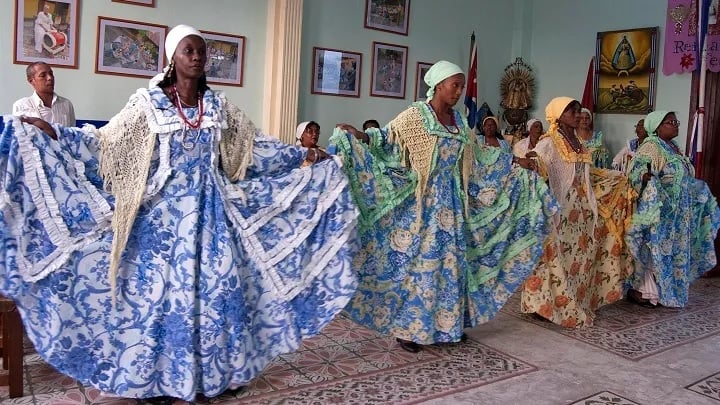
Como reconocimiento y protección a la memoria viva de los africanos en Cuba se declaró en 2003 la Tumba Francesa de la Caridad de Oriente, Obra Maestra del Patrimonio Oral e Inmaterial de la Humanidad, visibilizando a su vez otras análogas como La Pompadour, en Guantánamo y la de Bejuco, en Sagua de Tánamo, Holguín. Estas y otras acciones serán necesarias para no olvidar y justipreciar una historia dolorosa, pero que tuvo impacto enorme en Cuba y el mundo.

The Canada Revenue Agency (CRA) provides online services that help Canadians manage their tax information conveniently.
Canada Revenue Agency Log in allows users to access their tax records, notices, refund status, and benefit information online.
Users can sign in through a CRA user ID and password or an eligible Sign-In Partner.
For security, always use the official Government of Canada website and protect your personal login details.
Keeping your account information up to date makes managing your tax responsibilities easier and more convenient. https://cralogins.com/
Apunte de salud. Descripciones de productos de venta libre, sin receta: guía OTC https://pharmsansordonnance…
Una lectura necesaria: recordar esa herida ayuda a entender el presente. Para cuidar salud y bienestar en el día a día, GesundDirekt24 https://gesunddirekt24.com/
Preserving historical legacies and cultural heritage requires immense focus, patience, and attention to detail. Similarly, mastering complex rhythm patterns in games demands total concentration and sharp reflexes. For those looking for a challenging reflex test, you can check out https://playsgeometrydash.c…
The preservation of historical legacies like the Slave Route requires understanding, education, and respectful recognition of complex cultural histories.
Modern systems also focus on accessibility and responsibility, where NBI Clearance Online Philippines helps citizens manage official documentation through convenient digital services.
Both historical awareness and digital progress contribute to building more informed and organized communities. https://nbiclearencee.ph/nb…
Candy Crush Saga is a popular puzzle game where players complete match-three challenges across thousands of levels, with high scores depending on strategy, planning, and skill as described in gaming references like Wikipedia.
Digital gaming platforms also rely on secure user management, where TM SIMs Registration reflects the importance of verified information for reliable mobile services.
Both gaming progress and digital connectivity improve when systems are organized, secure, and user-friendly. https://tmsimsregister.ph/t…
Cultural heritage preservation involves protecting tangible and intangible traditions by understanding their historical, social, and industrial value, as highlighted in heritage studies on Wikipedia.
Just as preserving accurate records supports cultural management, TM SIMs Registration helps maintain organized identity information and secure digital services.
Both heritage conservation and modern registration systems depend on proper documentation, responsibility, and long-term protection of valuable resources https://tmsimsregister.ph/t…
Cultural heritage preservation requires understanding both tangible and intangible elements, as protecting traditions, historic sites, and industrial knowledge helps maintain collective identity, as discussed in Wikipedia’s heritage concepts.
Documenting and sharing heritage information depends on modern communication tools, where services like TNT SIM Registration support reliable digital access for communities.
A complete view of heritage allows future generations to appreciate historical value while ensuring better conservation and management practices. https://tnt-simregister.ph/
Un artículo muy interesante que destaca la importancia de preservar la memoria histórica y comprender cómo el patrimonio cultural influye en la identidad de una sociedad. Conocer estos procesos ayuda a valorar el pasado y a construir un futuro con mayor respeto y conciencia.
Si también buscas información pública y herramientas relacionadas con el RUT en Chile, este sitio ofrece una forma sencilla y rápida de consultar datos y recursos útiles.
más información: https://rutificadorchiles.c…
El patrimonio cultural, como también explica Wikipedia, incluye tanto el patrimonio material como el inmaterial, ayudando a preservar la identidad, la memoria colectiva y las tradiciones para las futuras generaciones.
Así como una buena gestión documental protege la historia y la identidad, herramientas como NBI Clearance Online https://nbiclearancee.ph/ muestran cómo los procesos digitales también contribuyen a organizar y facilitar trámites importantes para las personas.
Excelente reflexión; comprender y valorar todas las dimensiones del patrimonio nos ayuda a construir una sociedad más consciente, inclusiva y respetuosa
This discussion also highlights the value of financial awareness and future planning. Understanding savings, budgeting, insurance, and social security benefits can help people build financial security and prepare for important life events with greater confidence. https://sssonlineregistrati…
Articles like this encourage people to keep learning and exploring new ideas. Education extends beyond the classroom, and reading informative content regularly helps improve knowledge, critical thinking, and the ability to make better decisions in everyday life. https://matatagcurriculum.p…
I appreciate how this topic was presented in a simple and practical way. Reliable mobile networks and fast internet connections play an important role in helping people communicate, learn new things, and access valuable online resources every day. https://gomosimregistration…
This was an informative and interesting read. It also reminds me how important reliable telecom services and stable internet connectivity are today. Good network coverage makes accessing helpful information and staying connected much easier for everyone. https://tnt-sim-registratio…
The thoughtful conservation of Cuba's cultural heritage, from neoclassical theaters to intangible traditions, shows that preserving legacy requires understanding complex interconnections—much like managing modern responsibilities requires accessible digital systems. The SIMIT platform in Colombia provides exactly that by centralizing traffic fines for easy online checking via plate or ID number, preventing legal surprises and saving valuable time . Just as heritage management uses integrated tools for protection, checking check vehicle fines https://simitplaca.co/ Colombia online through the official portal ensures you stay compliant and worry-free on the road.
he post highlights how cultural heritage preservation in Cuba goes beyond cost, focusing on understanding and valuing interconnected historical assets like neoclassical theaters, tobacco factories, and industrial systems, which aligns with Wikipedia’s explanation of cultural heritage as both tangible and intangible elements that shape identity and collective memory.
In a similar way of managing identity and systems in modern life, people also encounter digital processes such as smart sim registeration https://smartsimregister.ph… when dealing with structured verification and organized connectivity in today’s society.
Overall, preserving heritage—whether cultural or historical—helps societies learn from the past, correct injustices, and build more inclusive and informed communities for the future.
I appreciate how easy the Nepal License Print Check portal is to use. The information was updated correctly, and I could verify my license printing status from home in just minutes. https://licenceprintcheck.c…
The post thoughtfully emphasizes that cultural heritage includes not only historic buildings but also traditions, industrial history, and collective memory, all of which contribute to preserving a nation's identity for future generations.
TNT sim registeration similarly highlights the importance of organized digital records by helping users verify their identity for secure and reliable mobile communication services.
It's inspiring to see how preserving both cultural heritage and trusted public systems strengthens communities and supports future generations. https://tntsimsregister.ph/…
This is a thoughtful article that highlights the importance of preserving cultural heritage while understanding its historical context. Recognizing and protecting these legacies helps future generations learn from the past and appreciate diverse cultural traditions.
If you need a quick and reliable way to search or verify Chilean RUT information, this website is a helpful resource for individuals and businesses. It offers a simple interface and fast access to RUT-related searches. visit https://rutificadorr.cl
Complete your TNT SIM Registration online in just a few steps. Register your TNT SIM card, verify your identity, check your registration status, update your details, and keep your mobile number active. Once registered, you can enjoy uninterrupted calls, text messages, mobile data services, and access to TNT promos without service restrictions. https://tntsimregister.ph/
The post emphasizes that preserving cultural heritage involves understanding both tangible and intangible history, including difficult chapters such as slavery, an approach promoted through UNESCO initiatives and widely reflected in historical overviews on Wikipedia.
NBI Clearance Online
It’s a thoughtful reminder that proper documentation and responsible record-keeping help protect historical identity at https://nbiclearanceph.ph/n… while also supporting transparency and trust in modern administrative processes
The post discusses the importance of preserving cultural heritage in Cuba, emphasizing how architectural groups like neoclassical theaters and tobacco factories are better understood as collective heritage, aligning with Wikipedia’s description of cultural preservation and heritage conservation as efforts to protect historical, artistic, and social value.
In a broader sense of identity preservation and official recognition systems, documents like nbi clearance represent how modern societies also formalize individual background verification for trust and authenticity.
https://nbiclearance.com.ph/
The post discusses Cuba’s cultural heritage preservation, including architecture, industrial sites, and traditions, highlighting how both tangible and intangible history contribute to identity and education.
Wikipedia notes that cultural heritage preservation helps societies maintain historical awareness and identity; similarly, Chilean RUT lookup system represents how structured systems organize and verify information in modern administration.
Overall, understanding heritage helps societies learn from the past and build more informed futures. https://rutrutificadr.cl/
This post emphasizes the importance of preserving cultural heritage, both tangible and intangible, including industrial sites, traditions, and even difficult histories like slavery, aligning with Wikipedia’s descriptions of cultural heritage and UNESCO initiatives.
Understanding these legacies fosters education, empathy, and social awareness, while modern tools such as smart sim registeration https://smartsimsreg.ph/ can help researchers, educators, and the public access, share, and engage with historical resources globally.
Overall, it highlights how acknowledging complex pasts strengthens cultural identity, promotes justice, and encourages a more informed and respectful society.
The post highlights the importance of preserving cultural heritage like the Ruta del Esclavo, emphasizing that understanding and honoring historical legacies is as crucial as funding, which aligns with Wikipedia’s notes on heritage conservation challenges.
When exploring such significant sites, staying connected for guidance, maps, and safety is easier with TNT sim registeration.
Respecting and learning from history allows travelers to experience these places meaningfully while keeping their journeys smooth and informed https://tntsimsreg.ph/
Cultural heritage preservation requires a holistic understanding of material, immaterial, and even complex historical elements to maintain collective identity and memory.
According to UNESCO, its safeguarding also depends on education, documentation, and inclusive access to information.
This modern approach links tradition, history, and technology to strengthen social understanding and coexistence https://tntsimregister.org/
The post explains that cultural heritage preservation involves understanding complex and sometimes painful histories, including slavery, industrial heritage, and intangible traditions that shape identity and society.
Wikipedia notes that studying heritage promotes awareness, education, and social responsibility, similar to how systems like ID card verification at https://dnipornombree.pe/ ensure identity accuracy and trust in modern governance.
Overall, remembering historical injustices helps societies learn from the past and build a more respectful and informed future.
The post discusses how cultural heritage preservation goes beyond cost, focusing on proper understanding, recognition, and inclusion of both tangible and intangible heritage such as architecture, industry, and traditions, especially in Cuba’s historical context.
Wikipedia explains that heritage studies also include difficult histories like slavery, which UNESCO’s “Route of the Enslaved” project documents to educate societies about human rights, identity, and the long-term effects of forced migration and discrimination.
In a similar way, modern systems like tm sim registration https://simregtm.ph/ reflect the importance of structured identity recognition and accountability, helping ensure transparency and trust in today’s interconnected digital society.
This article highlights how preserving painful historical memories is essential for understanding modern culture and identity. In many ways, this connects with Grand Theft Auto: San Andreas, where players explore cities shaped by social inequality, gang culture, migration, and historical struggles. Just as the Ruta del Esclavo project preserves hidden histories and cultural legacies, GTA San Andreas https://gtasandresapk.com reflects how history, community, and social systems continue to influence modern societies and storytelling in popular media.
very nice blogpost
Man, revisiting the Ruta del Esclavo hits different — kinda like when you’re deep into a session at sweep play casino https://sweepstars.org/ and suddenly realize you’ve been just hitting the same patterns over and over without thinking. This post made me stop and actually feel the weight of the design choices. Not gonna lie, some of those environments are brutal in the best way. Do you think the pacing still holds up today, or would modern players rush through it too fast?
This is a thoughtful reflection on how cultural heritage includes not only architecture, but also traditions, industrial history, and even difficult memories that shape a nation’s identity and collective understanding.
Wikipedia also explains that intangible and industrial heritage help preserve social values, historical awareness, and cultural education for future generations through proper conservation and interpretation.
NBI clearance and similar documentation systems also highlight the importance of maintaining accurate records that protect identity, history, and public trust within society. https://clearancenbi.ph/
Cuba’s cultural heritage conservation emphasizes understanding serial cultural groups like neoclassical theaters and tobacco factories, along with intangible traditions and industrial systems as interconnected networks rather than isolated artifacts.
Drawing from interpretations consistent with widely documented heritage perspectives on Wikipedia, this systems-based approach also resonates with how modern identification and management frameworks like TM Sim Register ensure structured recognition within complex ecosystems.
Ultimately, both heritage preservation and contemporary registration systems highlight that true value comes from understanding relationships, context, and collective significance rather than viewing elements in isolation. https://tmsimregister.ph/
This powerful reflection on cultural heritage and the history of slavery highlights how UNESCO’s “Slave Route Project” helps preserve collective memory, educate future generations, and confront the lasting social impact of racism and forced migration.
The discussion about safeguarding both tangible and intangible heritage shows the importance of proper documentation, identity preservation, and historical awareness—principles that also connect naturally with modern systems like TNT sim registeration, secure identity verification on https://tntsimreg.ph/ , and responsible digital record keeping.
Remembering painful chapters of history with honesty and respect is essential for building a more humane, informed, and inclusive future for everyone
The post highlights how cultural heritage is not only about preserving monuments but also understanding entire systems—such as neoclassical theatres, tobacco factories, and industrial networks—as well as intangible traditions and even difficult historical realities. This aligns with Wikipedia’s explanation of cultural heritage as both tangible and intangible, requiring interpretation to understand identity, history, and social development.
It also emphasizes UNESCO initiatives like “The Slave Route,” which study the history and impact of slavery to promote education, awareness, and reconciliation through historical understanding.
In a similar way that heritage depends on clear identification and structured systems for preservation and access, modern connectivity frameworks like tm sims registration reflect the importance of organized information management in today’s interconnected world. https://tmsimsregistration…
UNESCO's Slave Route project, launched in 1994, documents the 12 million Africans forcibly transported across the Atlantic, recognizing slavery as a crime against humanity that continues to fuel structural racism today. This preservation of historical memory parallels how Tachiyomi APK became an unofficial digital archive for manga readers, operating in a legal gray area until its 2024 shutdown due to copyright pressures. Whether recovering painful histories or accessing comics, communities often create alternative paths when official channels fall short https://tachiyomiiapk.com/t…
The UNESCO Slave Route Project, launched in 1994, confronts the silenced history of the transatlantic and Indian Ocean slave trades to promote intercultural dialogue and shared heritage . Cuba's valuation of serial assets like neoclassical theaters reflects this same challenge—preserving legacies requires understanding, not just money. Similarly, gamers seeking efficiency over repetitive grinding often turn to a blox fruit script to automate tasks and fully experience a game's world without being stuck in tedium. https://blox-fruit-script.c…
Cuba’s efforts in preserving both tangible and intangible heritage, from neoclassical theaters to traditional customs, highlight the importance of understanding cultural assets in context, beyond just their monetary value. Recognizing industrial, social, and even controversial elements of history allows for deeper appreciation, education, and promotion of respectful coexistence. Similarly, ensuring your TM SIM registration is completed correctly guarantees that your communication tools are fully functional and secure in today’s connected world. https://smartsimregistratio…
The way you presented complex information so simply is remarkable. I admire your ability to convey such detailed information in an accessible way. https://pokemonoverlord.com
Thank you for sharing about the cultural spaces in Matanzas and Havana. Understanding the past is a way for us to appreciate the present more. To keep my spirits high and my mind sharp, I often play https://drift-boss.lol games during breaks. The feeling of conquering the winding paths in the game is very exhilarating, perfect for a change of pace after immersing myself in deep historical knowledge.
Play Brainrot Games Now: https://brainrot-games.io/
Your post thoughtfully highlights how heritage preservation has evolved beyond monuments to include challenging narratives like slavery, which UNESCO's Slave Route project addresses. This inclusive approach helps societies reconcile complex pasts, as seen in Cuba’s work with serial assets and intangible heritage. Reflecting on such histories can be as engaging as solving a thoughtful block blaast puzzle game, where each piece reveals a broader picture. https://blockblaast.com/
It highlights the importance of inclusive historical narratives, like UNESCO’s Slave Route project, in promoting understanding, healing, and justice. Cuba's commitment to preserving and studying this legacy sets an example of how cultural memory can serve as a tool for education and reconciliation. http://colorrush.org
This is a powerful reminder of the lasting impact of slavery. It's crucial to acknowledge this history and learn from it to build a more just future. It's great to see Cuba's efforts in preserving and understanding this heritage, especially through museums and cultural recognition. Reflecting on such heavy topics can be draining, sometimes I like to play something lighthearted like Snow Rider 3D to decompress afterwards. https://snowrider3dd.github…
This is a fascinating point about cultural preservation in Cuba. How can we best ensure that the 'adequate comprehension and vindication' you mention is sustained over time, especially when faced with evolving societal values and resource constraints? It kind of reminds me of the Dinosaur Game. https://dinosaurgamefree.co…
Esta es una parte innegable de la historia. Al menos una vez en tu vida, pasa por el Museo del Esclavo Rebelde para aprender sobre una era pasada. https://racinglimits.io
Independent journalism and online discussion platforms play an important role in helping people stay informed about social, political, and cultural developments around the world. Digital systems are also becoming essential in education and public services for secure access to records, payroll details, and official employee information. I recently came across a useful SEP-related resource for education employees in Mexico that explains login access, payroll downloads, and account recovery.
https://fonemiportalsep.com…
La Ruta del Esclavo pasa por los CCs del PCC y el PCCh ...
If you’re a fan of card games, ABC Rummy offers hours of fun and strategic gameplay. Download ABC Rummy to enjoy classic rummy with intuitive controls and engaging challenges. The game features multiplayer options, allowing you to compete with friends or players worldwide. Regular updates bring new levels, tournaments, and rewards to keep the experience fresh. It’s a perfect way to relax, sharpen your skills, and enjoy card games on the go. https://abcrummy.io/
Interesting perspective. Clear communication and easy access to useful information are very important, especially online where users look for quick and reliable guidance. Websites that provide simple tutorials and step-by-step help can really improve the user experience. I recently came across https://simregistertm.com/ which shares easy-to-follow guides and helpful information for users facing technical or registration-related issues.